Teachers and Peer Leaders Trained as YOUNIB Builds Mental Health Clubs in Nairobi Schools
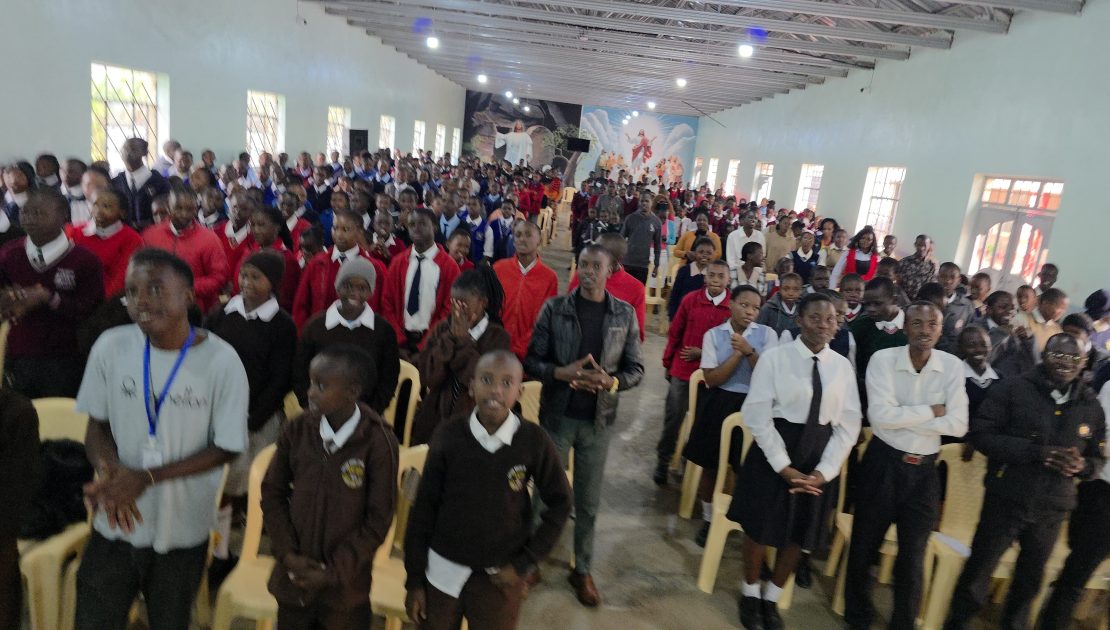
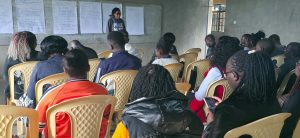
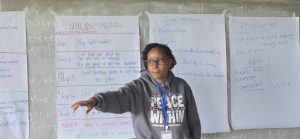
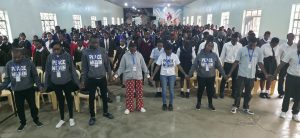
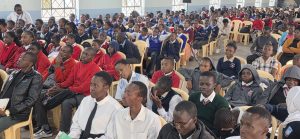
In late May, more than 770 student representatives and their teachers gathered in Utawala for the third phase of YOUNIB’s mental health and psychosocial support (MHPSS) training. They came from 35 schools across Njiru Sub-County and the surrounding area. The purpose was practical rather than ceremonial: to prepare peer leaders and teacher patrons to set up and run mental health clubs in their own schools.
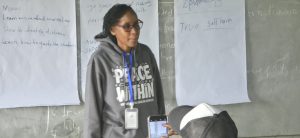
 YOUNIB — the Catholic Youth Network for Interreligious Brotherhood — organised the training in partnership with Missio Aachen. The sessions were led by YOUNIB’s own team of mental health psychologists, who have spent the past year working alongside these same schools.
Why the clubs?
Students in Nairobi’s schools carry a lot that rarely gets named in class. There is pressure at home, the weight of exams, grief, and for some, experiences of violence or neglect. Most schools have one counsellor for several hundred students, and many have none. A single trained adult cannot reach everyone, and students in distress often turn first to a friend rather than to a teacher or a stranger.
 The clubs are built around that reality. The idea is simple: train students to notice when a peer is struggling, give them the language and the limits to respond, and connect that peer to an adult and, where needed, a professional. Peer leaders are not there to diagnose or to carry a friend’s problems alone. They are a first point of contact who knows when and how to hand a situation over.
What the training covered
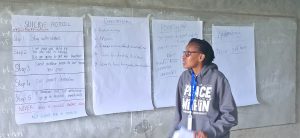
Over the training days, participants worked through the foundations: what mental health is and is not, the challenges they commonly see among classmates, and how to listen without rushing to fix or judge. A good part of the time went to recognising warning signs that need an adult’s attention, and to the firm line between peer support and clinical care.
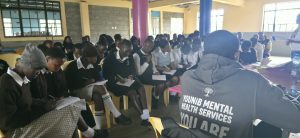 YOUNIB’s psychologists returned to that line throughout. Peer leaders are companions, not counsellors, and certain situations — anything touching on harm, abuse, or risk to a young person’s safety — must always be referred up rather than handled within the club.
 Teacher patrons were trained on a separate track. Their role is to supervise the clubs, hold the safeguarding standard, and act as the bridge between students and YOUNIB’s psychologists when a case needs to be referred for professional help.
What each school takes home
Every school leaves with the basis for its own mental health club: a group of trained student peer leaders, a teacher patron to oversee them, and a clear referral pathway back to YOUNIB’s psychologists for cases beyond peer support. The clubs are designed to meet regularly through the school terms, so the work continues long after the Utawala gathering ends rather than fading once everyone goes home.
YOUNIB’s work grows out of its founding purpose — bringing young people of different faith backgrounds together in service of one another. The mental health clubs are open to every student, whatever they believe, and that is by design. Caring for a struggling classmate is common ground that crosses every line a school might otherwise draw.